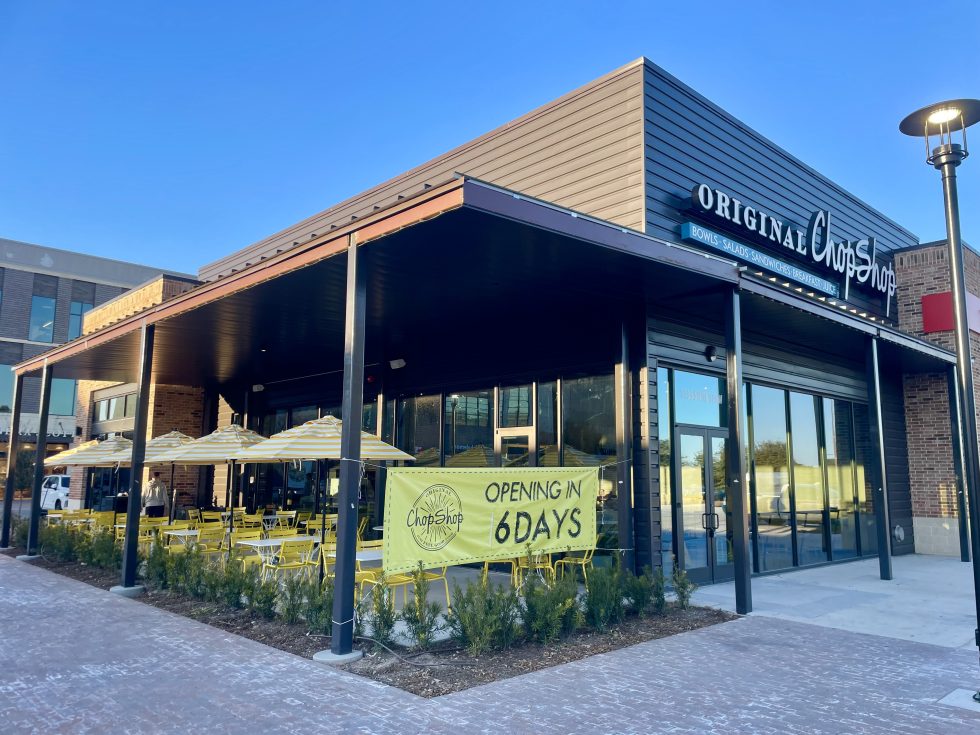
“We have done a lot of work in trying to get those first three visits to happen fast. Our whole program is built around that.” The brand’s program features a number of digital tactics that are looking like jackpots.
Blog
-

The Simmer Podcast—Krystle Mobayeni, Head of Restaurants, Fiserv
Fiserv recently unveiled a new point of sale system designed to serve “upper market restaurants,” or restaurants that do more than $1 million in processing volume annually, according to Fiserv head of restaurants, Krystle Mobayeni. Krystle, also the co-founder and CEO of BentoBox, a restaurant technology company acquired by Fiserv in 2021, joins The Simmer to talk reservations, point of sale systems, and what Fiserv’s brand-new POS, dubbed Clover Hospitality, offers restaurants.
-
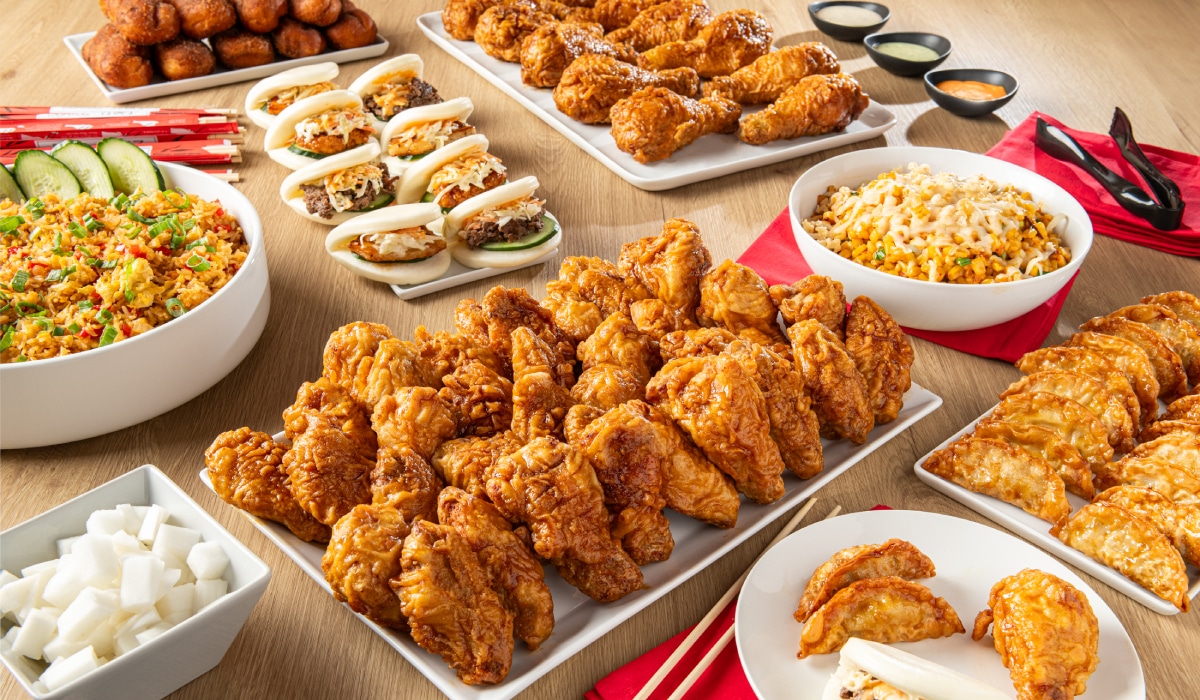
Bonchon’s Secret Sauce to Consistent U.S. Growth
How the Korean fried chicken brand is breaking franchise records with tech upgrades (think kiosks), bold flavors, and a fresh take on catering.
-
The Simmer Podcast—DoorDash buys SevenRooms for $1.2 billion
It’s our first emergency podcast! On Tuesday, the biggest day for the restaurant technology business in years, a string of major announcements had our heads spinning. But one piece of news stands out: DoorDash plans to acquire reservations and customer relationship management service SevenRooms for $1.2 billion. What does it mean? Listen as Brandon and Kristen work it out in real time.
-
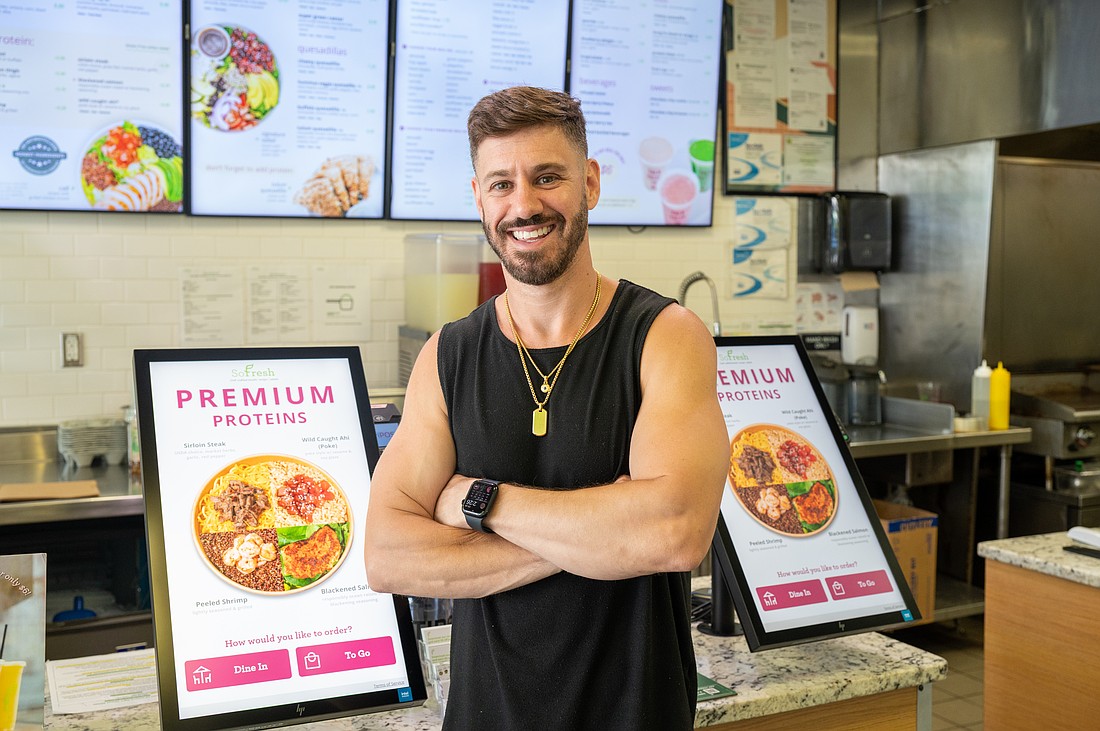
Fast-Casual Franchisee Grows to Four SoFresh Stores in Region
As a result of streamlining operations with the kiosks, Wolf says he needs about five total employees, in comparison to Westchase, where he needed 20 at the start.
-
The Simmer Podcast—Niko Papademetriou SVP, Qu POS
Is the POS dying? What even is a modern point of sale? Can it shed its old image and become what it always wanted to be: the true hub of modern restaurant operations? Niko Papademetriou runs sales and business development at Qu, a point of sale system that’s thinking through what the true future for restaurants looks like. In this episode, we talk POS (a lot); restaurant work, and the tools operators can access now that were just a dream a decade ago.
-
The Simmer Podcast—Tammy Billings, Business Development, SignalFlare.ai
Tammy Billings has worked in marketing and biz dev for decades and has plenty of experience with restaurant technology. In this far-ranging conversation, we talk about the past, present, and future of the industry. Plus: Want to get Kristen fired up? Talk about ethics in podcasting.
Topic Time Stamps:
1:20: Grubhub brings back Seamless in New York City
7:50: A little podcast housekeeping: we do not pay guests! Guests do not pay us!
9:30: Welcome, Tammy (and even more pay-for-play commentary)
16:26: We’re back on track! More on Tammy’s background, how she found her way to the hospitality business, and how she’s helped multiple companies get acquired.
28:48: Where are we now in the restaurant business? Is this time evocative of any other?
33:57: Who will keep winning? And will the big players start swallowing each other?
37:51: Why people who worked in restaurants make the best restaurant tech founders and employees
44:49: How (and why) private equity ownership makes for challenging restaurant dynamics
-
The Simmer Podcast—Suzie Tsai, CEO, Bonchon
Suzie Tsai spent over a decade at restaurant powerhouse Brinker International, leading programs that included Chili’s white-hot beverage business, before landing the top role at Bonchon. In this episode, Suzie explains how a concept that launched (and then failed) in South Korea has found its footing in the US, growing over two decades. But this growth isn’t without challenges; Bonchon’s restaurants range from seated full service to kiosk-friendly fast casual, leading to tough choices about how to implement new technology.
Topic Time Stamps:
1:26: News: Wonder acquires media company Tastemade for a reported $90 million. Why?
3:00: Congrats to Brandon and Bite for landing on this year’s Fast Company Most Innovative Companies list!
5:45: Welcome Suzie Tsai, CEO of Bonchon
6:35: Suzie goes (very) deep on her background, explaining how the child of immigrants from South Korea ended up running a Korean fried chicken concept — and why that representation matters to the company’s franchisees.
23:08: The growing influence of Korean food in America’s restaurants
25:00: From full service to fast casual and everything in-between; how is Bonchon thinking about tech in its restaurants?
33:46: How digital ordering helps Bonchon introduce unfamiliar menu items to a growing audience
35:31: How Suzie thinks about the relationship with third-party delivery partners, which she says are actually media partners
-
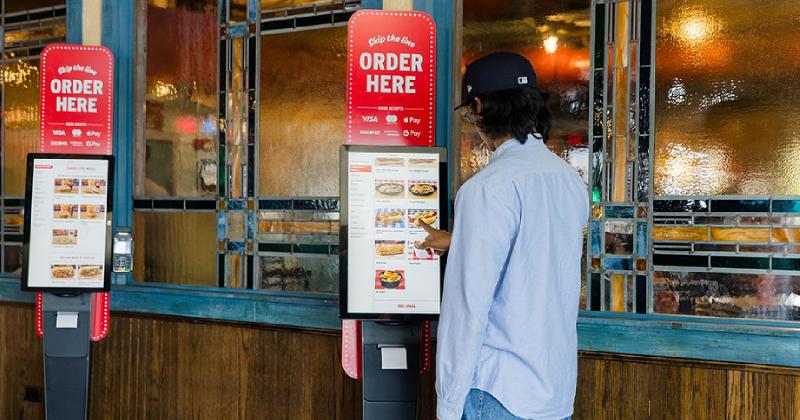
Tech Provider Bite Wants to Bring a Human Touch to Kiosks
Bite’s ordering software is designed to delight customers with things like secret menus and surprise freebies. It was just named one of the world’s most innovative companies.
-

Bite Has Been Named One of Fast Company’s Most Innovative Companies in 2025!
Bite has been named to Fast Company’s 2025 list of the most innovative companies in restaurants, dining, and food services includes Cava, Wonder, Wingstop, Dig, Bite, and more.